DIG
DIG items 16

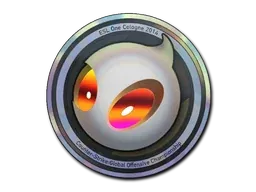









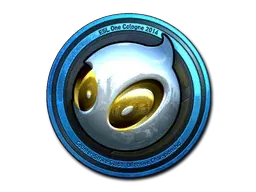




No items match this filter.
DIG team items at a glance
The DIG category page brings together all available CS2 team items linked to DIG in one place, making it easier to compare the market, spot historical highlights, and track value across the full range of listings. This page is especially useful for sticker collectors who care about legacy tournament pieces, since DIG is represented here through a compact but meaningful selection of items that spans some of the most recognized events in Counter-Strike sticker history. With 16 items total and prices ranging from $32.14 to $36,914.00, the DIG lineup covers everything from relatively accessible entry points to true high-end collector pieces.
For 2026 buyers, the main appeal of a team page like this is clarity. Instead of searching across unrelated listings, you can see all DIG items in one structured view, then compare rarity, event origin, and price positioning before deciding what to buy, hold, or trade. That makes the page useful both for collectors building a focused team set and for traders looking for historically important stickers with stronger long-term demand.
Why DIG matters in CS2 sticker collecting
DIG matters because it is tied to some of the most desirable sticker releases in the game’s history. In the sticker market, legacy event capsules and older tournament drops often carry outsized collector interest, especially when they feature coveted finishes such as Holo and Foil. DIG’s available items align with that pattern, which is why the team page is relevant not only to fans of the organization, but also to investors and collectors who prioritize iconic tournament branding.
Older event stickers tend to be watched closely because supply is naturally limited once a tournament ends and items stop entering circulation at the same rate. Over time, collector preference can concentrate around specific events, finishes, and team identities. DIG’s sticker lineup reflects that dynamic well, with several notable items originating from classic tournaments that are frequently discussed in CS2 trading circles.
Notable DIG items
The DIG category includes a set of standout stickers that are especially important for collectors interested in early-era CS2 and CS:GO tournament history. These are the items most likely to be compared, watched, or traded with a premium attached to their historical significance and finish type.
- Holo Katowice 2014
- Holo Cologne 2014
- Holo DreamHack 2014
- Paper Katowice 2014
- Paper DreamHack 2014
- Foil DreamHack 2014
- Paper Cologne 2016
- Holo Cologne 2016
These names matter because they represent both event prestige and finish category. In practice, collectors often place the strongest emphasis on Holo and Foil versions from older tournaments, while Paper versions can serve as more accessible alternatives for set building or inventory diversification. The combination of Katowice, Cologne, and DreamHack releases also gives the page broad historical coverage, which increases its usefulness for anyone tracking era-specific sticker trends.
Price range, rarity, and 2026 market relevance
The current DIG item range on this page runs from $32.14 to $36,914.00, showing just how wide the market can be within a single team category. Lower-priced items may appeal to collectors who want a recognizable team sticker without taking on premium-tier costs, while the top end reflects the scarcity and desirability that can emerge around exceptional legacy pieces. That spread is especially important in 2026, when buyers are increasingly selective and tend to focus on condition, finish, and event age rather than team name alone.
Rarity and wear are always central to sticker valuation. Even when two items come from the same team and event, finish type and specific market interest can create major pricing differences. Holo and Foil versions usually attract more attention because they are visually distinctive and often scarcer in collector portfolios. Paper stickers are generally more approachable, but they can still hold strong value if they come from highly sought-after tournaments such as Katowice 2014 or DreamHack 2014.
For 2026, the market relevance of DIG items comes from a blend of nostalgia, rarity, and tradability. Legacy stickers remain a core category for long-term CS2 collectors because they are easy to understand, easy to compare, and historically resilient in demand. If you are evaluating one of these items now, the key question is not just “what is the price?” but “how does this item compare to the other DIG listings, and how scarce is the specific event/finish combination?”
Buying, trading, and value tips
When buying DIG items, start by deciding whether you want a budget-friendly team sticker or a premium collector-grade piece. If your goal is visual appeal and lower entry cost, Paper versions can be a practical starting point. If you are chasing stronger collector demand, Holo and Foil versions from older tournaments are usually the more important listings to watch, especially when the event is one of the classic early-era releases.
Trading strategy should be based on comparables. Use this page to line up similar DIG items side by side and compare their price position within the team set. A sticker that sits at the upper end of the range is not automatically overvalued if it comes from a rarer or more desirable event. Conversely, a lower-priced listing may still be a good hold if the market is underpricing a specific finish or tournament combination.
It is also smart to think about liquidity. Team stickers tied to famous events are often easier to explain in a trade because buyers already understand the historical context. DIG items from Katowice 2014, Cologne 2014, DreamHack 2014, and Cologne 2016 all benefit from that familiarity. In a shifting market, items with broad recognition tend to be easier to move than niche listings that require more explanation.
How to browse this DIG category page
This page is designed to help you compare all DIG items efficiently. Start by scanning the full list to identify which event and finish types matter most to you, then narrow your attention by price and historical relevance. If you are building a themed collection, focus on matching event years or finish types. If you are shopping for investment potential, prioritize scarcity, demand history, and the strength of comparable sales for similar legacy stickers.
Use the page as a decision tool rather than a simple catalog. The most useful approach is to compare the lower end of the range against the most premium listings, then evaluate whether the price jump is justified by rarity and collector interest. That is especially valuable on team sticker pages, where multiple items can look similar at first glance but differ sharply in long-term market behavior.
FAQ
Are all DIG items on this page stickers?
Yes. This is a team sticker context page for DIG, so the listings here are sticker items associated with the team.
Why are some DIG stickers much more expensive than others?
Price differences usually come from event prestige, finish type, rarity, and collector demand. Older Holo and Foil items tend to draw the most attention.
What should I look at first when comparing DIG items?
Start with the event year, then check whether the sticker is Paper, Holo, or Foil. After that, compare where it sits inside the overall DIG price range.
Is this page useful for 2026 trading?
Yes. The combination of historical tournament stickers, a clear price spread, and a focused team category makes it a practical reference for 2026 buying and trading decisions.
FAQ
How many items are in DIG?
This team page lists 16 CS2 items, each with its current market data and links to where you can win or trade it.
What is the price range for DIG in 2026?
Items in DIG range from $32.14 to $36,914.00 on the open market in 2026, depending on exterior, rarity and StatTrak status.
Where can I get DIG skins?
See our ranked site lists for case openings and trading, all rated by verified player reviews.